
FORGOTTEN GENIUS
Ladislav Kaboš and Svatava Maria Kabošová have been intensively devoted for several years to the story and legacy of Joseph Murgas – a major figure of Slovak history. They are preparing a feature film project with the working title "Invisible Waves". In parallel, in 2026 they completed a 52‑minute documentary film, "Joseph Murgas – The Forgotten Genius". STVR will broadcast the film symbolically on August 3, 2026 – exactly on the 100th anniversary of regular radio broadcasting in Slovakia.
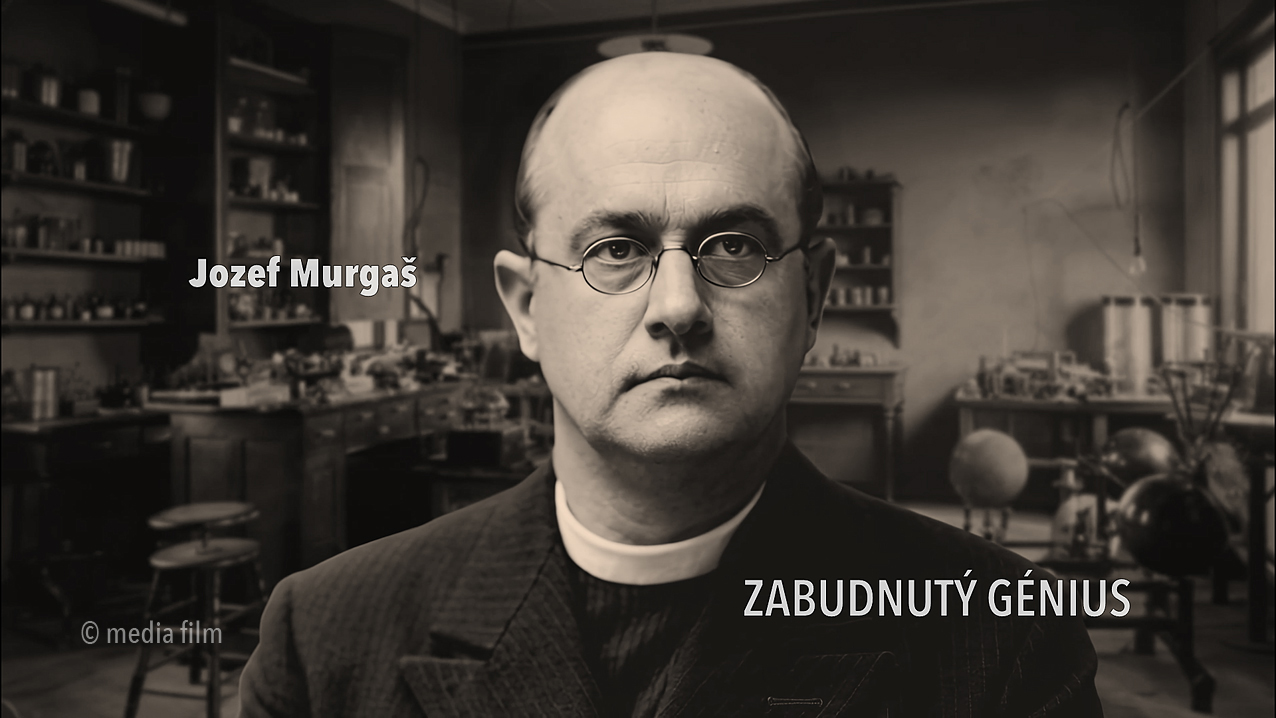
The film presents the gripping story of a true Renaissance personality – Joseph Murgas, a pioneer and inventor in wireless telegraphy, radio transmission, and wireless communication. Reverend Murgas possessed not only artistic talent – he studied painting in Budapest and at the Munich Academy – but he was also knowledgeable in botany and entomology, and above all had an extraordinary talent and intuition as an inventor in the field of electrical engineering.
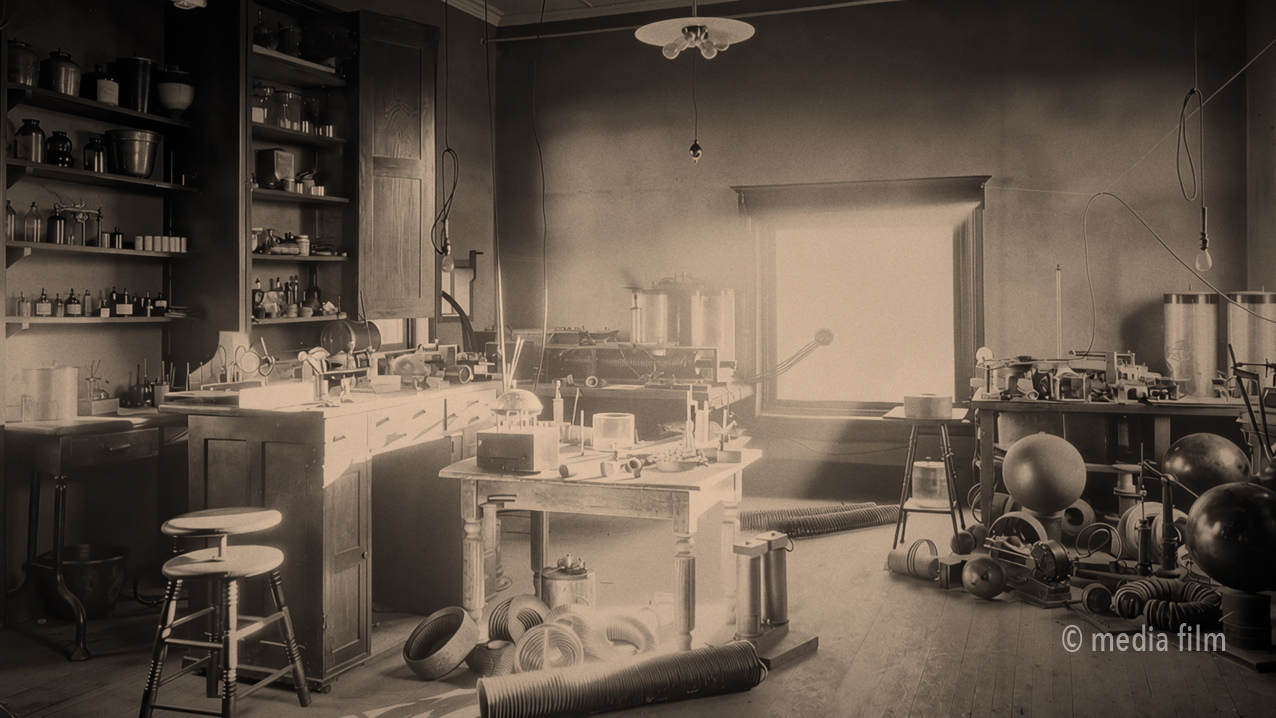
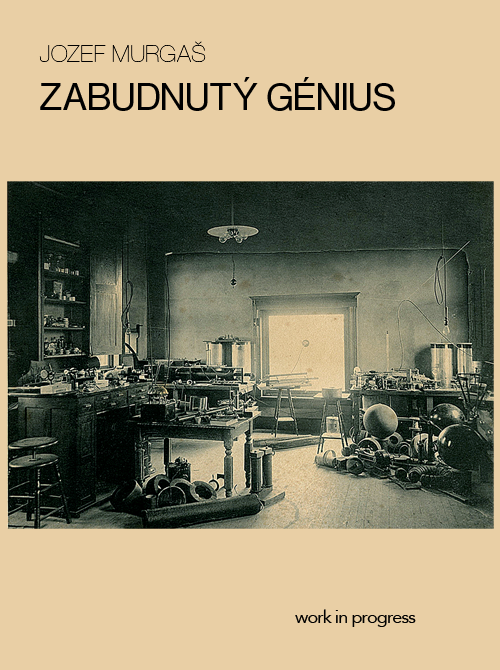
In 1896, Murgas became the parish priest in the newly established mining town of Wilkes‑Barre, beneath the Appalachian Mountains in the United States. There, in a wooden annex next to the rectory, he set up a laboratory where all his inventions were created. He had no team of assistants, no advanced equipment, yet he compensated for everything with immense diligence and exceptional talent.
He is the author of twelve electrical engineering inventions, patented at the U.S. Patent Office in Washington. His inventions became significant competition to the discoveries of Guglielmo Marconi (a Nobel Prize laureate) and Reginald A. Fessenden. After a court case in 1916, led by these two internationally celebrated inventors and authorities, Murgas’s 1904 invention was officially recognized as having priority.
Murgas pushed science a step further…
The film "Joseph Murgas – The Forgotten Genius" was produced by MEDIA FILM in co‑production with STVR, the Society for Multimedia Art (SMU), and the Czech co‑production partner KABOS Film & Media, in close collaboration with experts from ČVUT in Prague, STU in Bratislava, and the Jozef Murgas & Jozef Gregor Tajovský Club in Bratislava.
Synopsis:
He longed to be a painter, worked as a priest, and eventually became a pioneer of wireless telegraphy. The documentary film Jozef Murgaš – The Forgotten Genius tells the exceptional story of the Slovak inventor Jozef Murgaš (1864–1929), a native of Tajov. As a devoted Slovak patriot, he came into conflict with the church hierarchy during the period of intensifying Magyarization and became inconvenient. His paintings with religious themes were labeled as “too secular,” and he was suspected of contacts with “dangerous” Panslavs. Unfavorable circumstances at the end of the 19th century eventually forced him to emigrate to the United States, where he fully developed his exceptional talent and joined the pioneers of wireless communication. Twelve of his inventions in the field of electrical engineering were successfully patented in the USA. Although the whole world knows the name Guglielmo Marconi, the true contribution of Jozef Murgaš to wireless communication remains little known to this day.
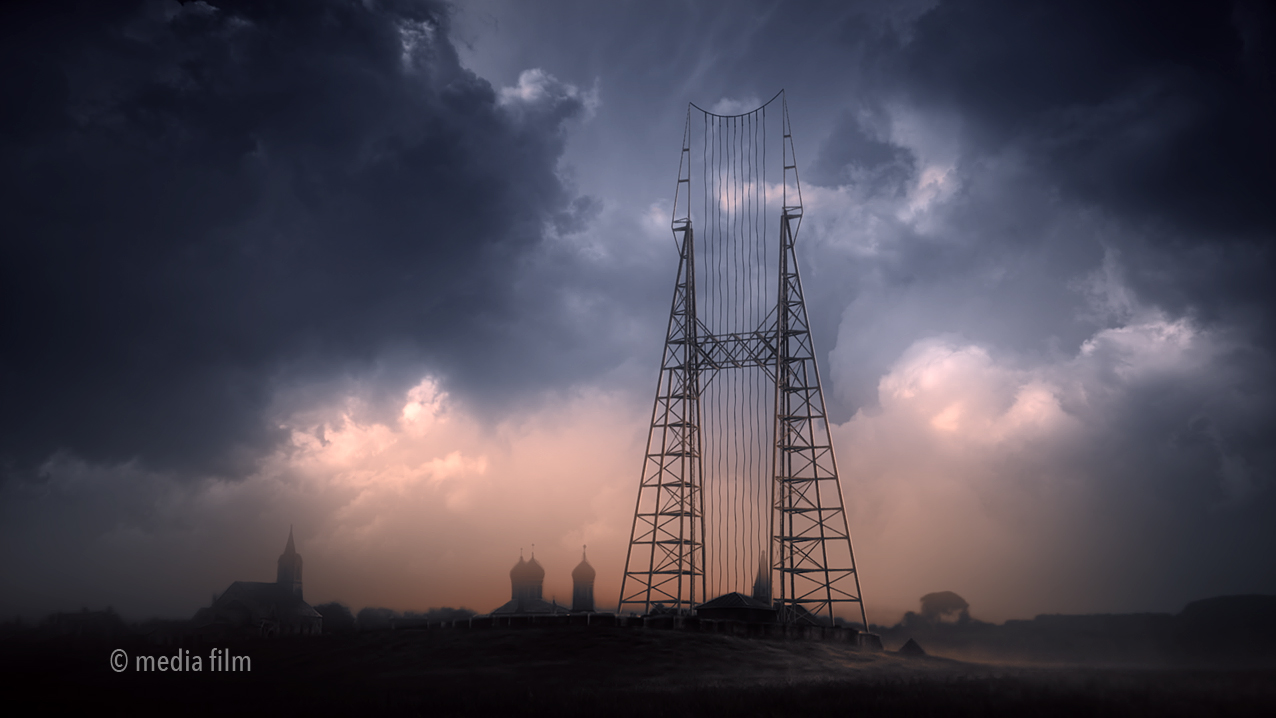
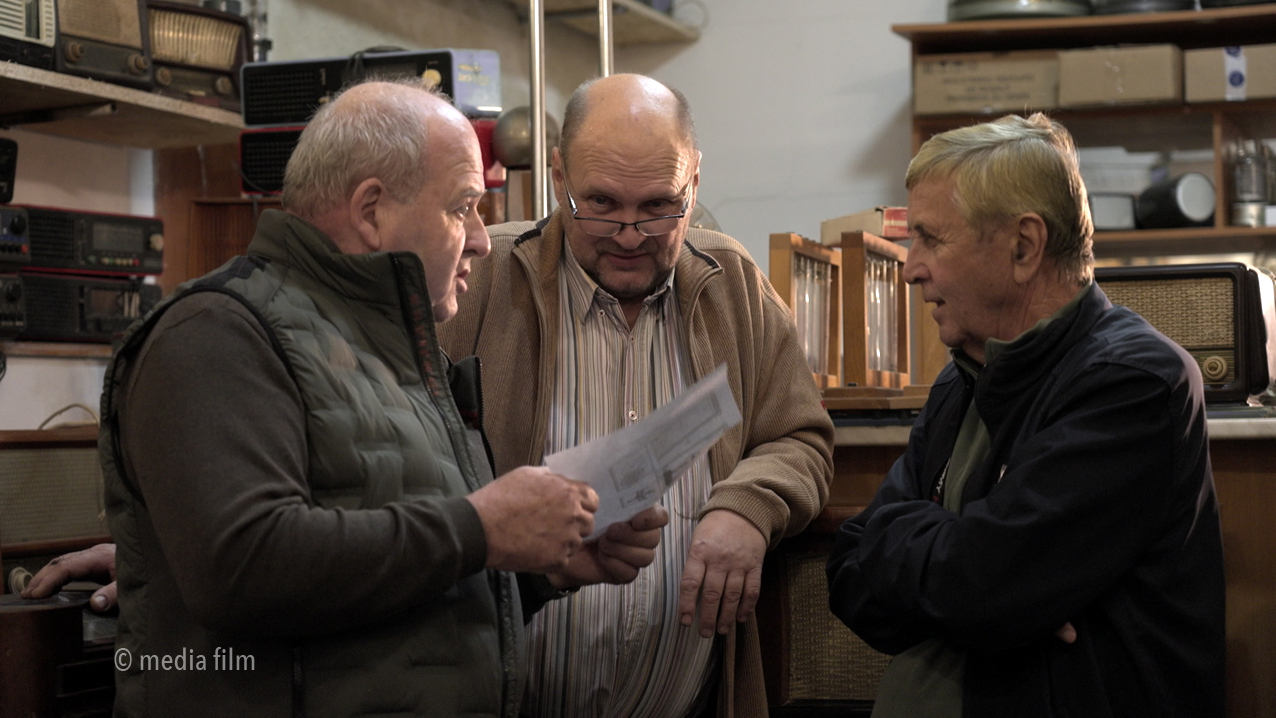
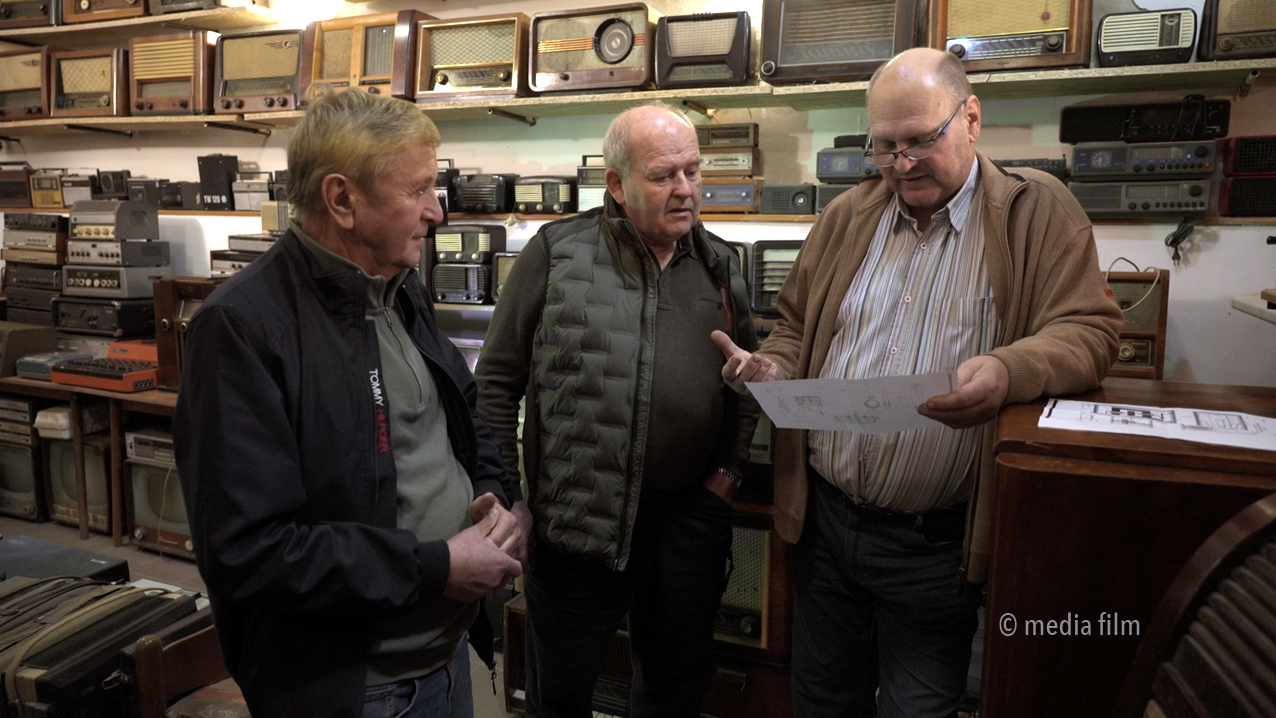
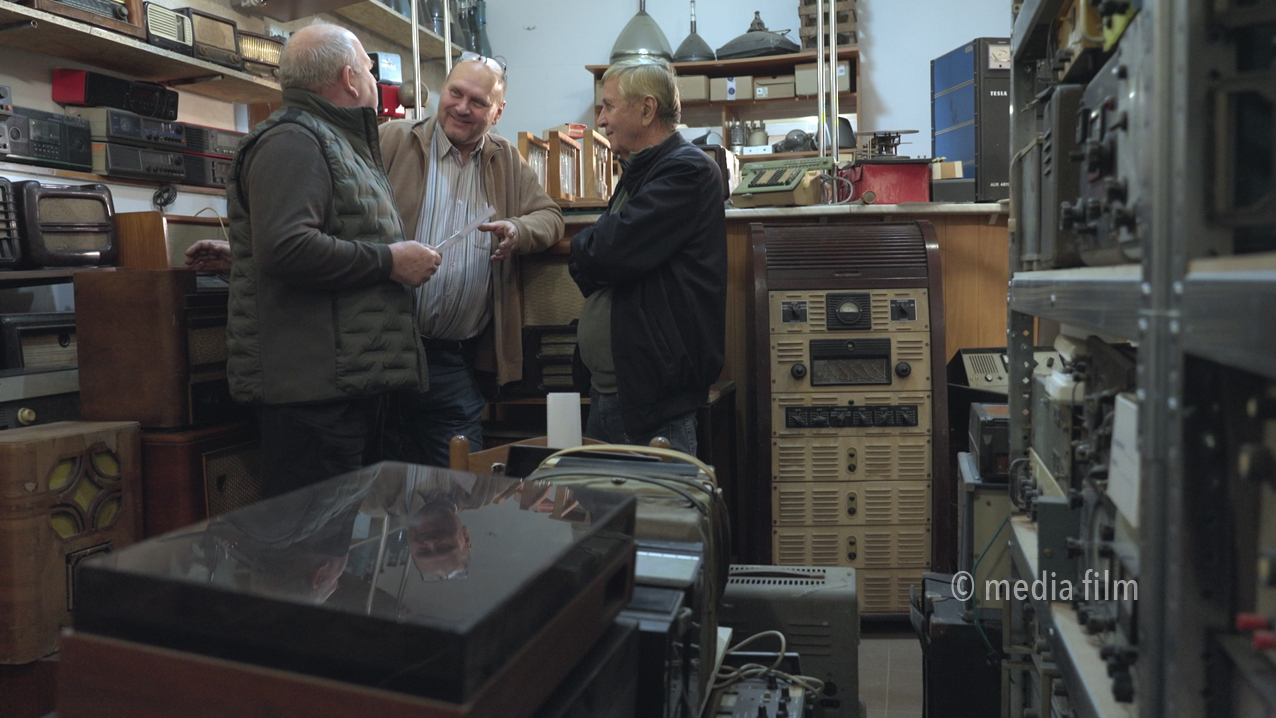
The central line of the film is the reconstruction of Murgaš’s groundbreaking patent, the Tone System. A trio of enthusiasts – experts in historical radio technology Ján Šebo, Miroslav Horník, and Stanislav Hrabko – built a functional transmitter and receiver based on the original patent documentation. After more than 120 years, they attempted in Slovakia to repeat the experiment with which Murgaš demonstrated a new method of wireless transmission of telegraphic signals.
The work of Jozef Murgaš continues to inspire with its breadth, courage, and creative energy. He excelled in science, yet it remains in the background that in his parish he cared for approximately 300 families of poor miners – immigrants from eastern Slovakia. For their children, he built a school and created conditions that allowed them to receive an education, learn the English language, and integrate into American society. So that one day they would not have to do the hardest and least paid work like their parents. The people of Wilkes-Barre deeply value what Murgaš managed to do for the Slovak community – his social compassion and the fact that he donated the money from his inventions to his parishioners.
His life story shows that true creativity knows no boundaries between science, art, or service to humanity. It also reminds us that freedom is one of the fundamental conditions of creativity – and it was precisely this freedom that Jozef Murgaš found in North America.
The film was financially supported by the Slovak Audiovisual Fund.